

You were comfortable hitting balls on the range. Now you're standing on an exposed fairway, the wind has picked up, and your polo feels thinner than it did at the first tee. You don't necessarily need a heavier outfit. You need to work out whether you're missing warmth, wind protection, or rain protection, because those are different jobs.
Why Wind Changes the Way You Dress for Golf
A calm start can make dressing for golf seem straightforward. You choose a shirt that feels comfortable outside the clubhouse, leave the jacket in the car, and head out. By the back nine, you're turning your chest away from the breeze between shots.
The useful question isn't whether you need more clothing. It's where the air is getting through.
Think of a sail beside a sieve. A sail interrupts airflow; a sieve lets air pass through its openings. Clothing can behave somewhere between those extremes, depending on its construction, so a substantial-looking layer isn't automatically an effective wind barrier.
A windproof golf vest targets the torso while leaving your arms uncovered. Its purpose is to limit bulk airflow through the garment without sacrificing the movement needed for a golf swing, rather than relying on thickness or a particular fiber name.
Choose the layer for the problem
Consider a dry, exposed tee followed by a sheltered walk. You might want protection while waiting to hit, then less enclosure once you're moving again. A targeted layer gives you another option besides staying in your polo or putting on a full jacket.
Use your own discomfort as a starting point:
- Cold mainly when the gusts arrive: Investigate wind protection before choosing more padding.
- Cold even in sheltered areas: Consider whether your underlying layers provide enough warmth.
- Comfortable walking but chilly waiting: Look for an outfit you can adjust easily between activity and pauses.
- Wet shoulders and sleeves: Assess rain coverage separately from torso wind protection.
Those observations aren't laboratory tests. They're practical ways to avoid buying a garment for the wrong reason.
Practical rule: Choose a wind layer to address moving air, not simply because the garment looks warm.
The right vest should feel useful during the round, not just comfortable while you stand in front of a mirror. You'll want understandable performance information, an appropriate balance of protection and ventilation, and a fit that works through your swing. Start with one firm expectation: a windproof vest is a wind layer first, not an automatic substitute for rainwear.
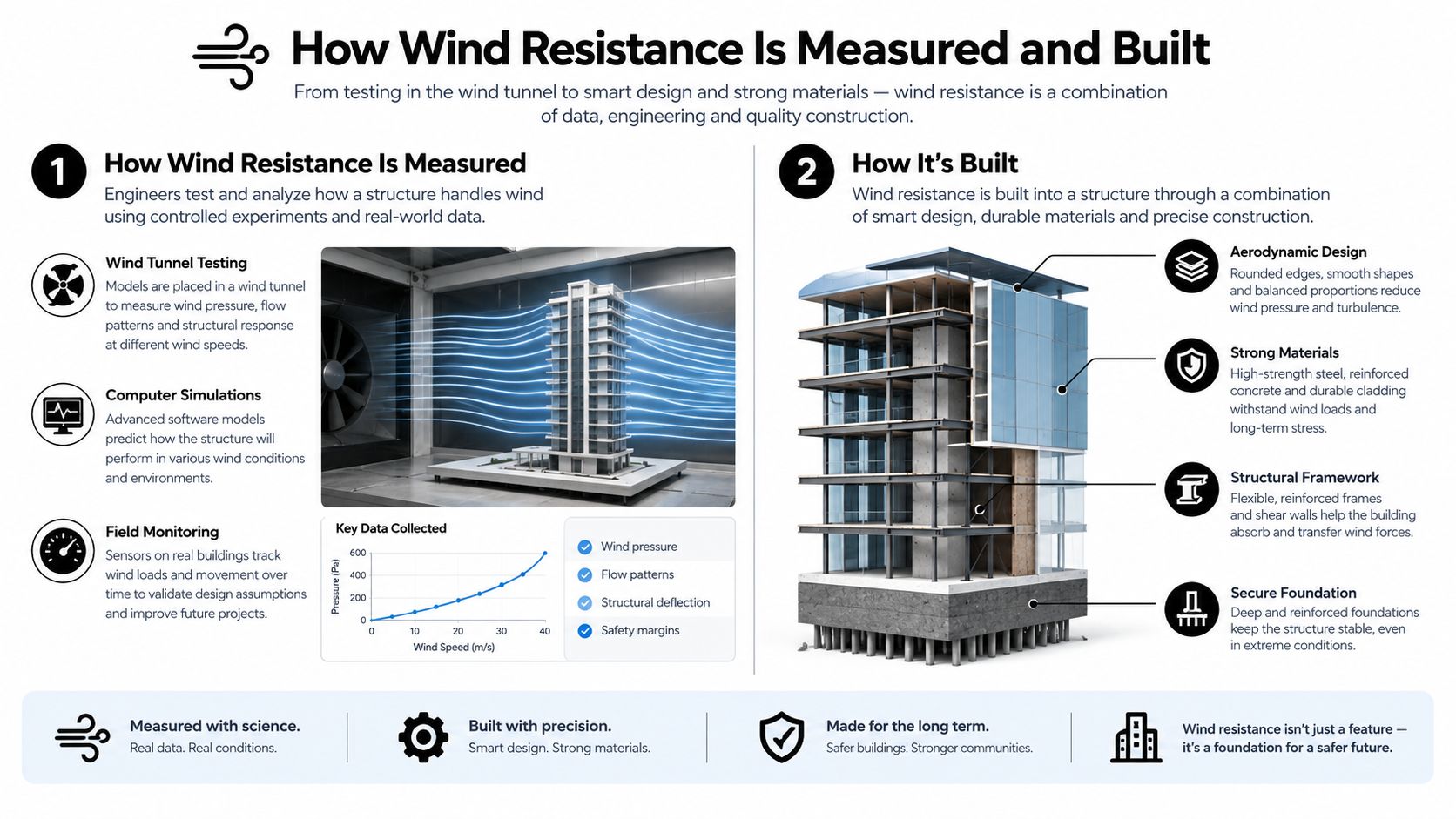
How Wind Resistance Is Measured and Built
Air permeability describes how readily air passes through fabric under controlled conditions. Return to the sail-and-sieve comparison: instead of judging the material by appearance, a laboratory measures the airflow through a defined sample.
Under EN ISO 9237, air passes perpendicularly through a specified fabric area at a controlled pressure difference. Conventional apparel testing uses 100 Pa, commonly with a 20 cm² test area.
The pressure difference matters because it establishes the test conditions. It isn't a promised outdoor wind-speed limit. A result describes how the sample behaved in that test, not every situation you might encounter on a course.
Read the result with its conditions
A low airflow figure is useful only when you know what was measured. Comparing figures without their units, pressure conditions, or panel descriptions can give you a misleading impression.
Ask for the following details:
- Test method: Which standardized procedure did the laboratory use?
- Pressure and units: Under what conditions was airflow measured, and how was it reported?
- Sample location: Was the sample taken from the front shell, back, or stretch panel?
- Scope of the result: Does the evidence concern a fabric sample, assembled panels, or the garment?
- Sample preparation: Were conditioning and other relevant test details recorded?
You don't have to become a textile technician. You're checking whether the seller can connect the performance claim to something identifiable.
A fabric result isn't a whole-vest guarantee
A vest isn't one continuous sheet. It includes panel joins, a zipper, a collar, armholes, and a hem. Treat those areas as inspection points rather than assuming that a strong shell result answers every construction question.
For example, you might find a dense front panel paired with more open stretch sides. That may be an intentional comfort choice, but you'll want to understand it before expecting identical protection everywhere.
ASTM D737 is another established air-permeability test method identified in the earlier construction reference. If a manufacturer uses it, request the same clarity about the tested material and conditions.
The useful conclusion isn't that every buyer needs a test certificate. It's that windproof should describe evidenced performance, not replace an explanation of how the vest is built.
Balancing Wind Blocking With Breathability
The most enclosed vest isn't necessarily the most comfortable vest for golf. You may appreciate it while waiting beside a tee, then wish you could release heat while walking uphill with your bag.
Wind protection and thermal comfort need to be considered together. Intertek explains that air permeability affects comfort because restricting incoming air reduces heat loss in windy conditions. Its windproof textile-testing guidance provides the technical basis for assessing that trade-off.

Think windbreak, not sealed room
A useful design approach is to protect the front and shoulders while giving moisture and excess heat a controlled way out. That could involve a moisture-managing inner surface, a more breathable back, or deliberately positioned ventilation.
The important word is controlled. A vent that serves you well during a sheltered walk may feel different when you turn your back into a gust. Evaluate where the opening sits and whether the arrangement suits how you play.
I'd prioritize a clear explanation of those zones over a membrane name alone. Ask what the material does in that location and how the complete arrangement was evaluated. The label on an individual component doesn't tell you how comfortable you'll feel through a changing round.
Wicking and ventilation do different jobs
A moisture-wicking description isn't an air-permeability result. Use this explanation of moisture-wicking fabric to separate the inner layer's moisture-management role from the shell's airflow-control role.
For a practical comparison, wear each candidate over the same shirt. Move around indoors, make comfortable practice turns, and notice how your upper back and chest feel. Treat that as a personal comfort check, not proof of technical performance.
- Walking golfers: Give particular attention to the back and the feeling of moisture buildup.
- Cart golfers: Assess comfort during pauses as well as movement.
- Changeable-round players: Check whether the zipper is easy to adjust without disrupting your setup.
A useful vest should help you manage the round, not make you choose between feeling drafty and feeling sealed in.
When technical information is available, consider thermal-resistance measurements alongside airflow testing. Neither a wind-blocking claim nor a breathability claim should carry the entire buying decision on its own.
Layering a Windproof Vest Without Losing Swing Freedom
Try a vest over the shirt you expect to wear. A comfortable fit over a thin polo doesn't establish that it'll work over your usual cool-weather outfit.
Use a simple sequence: moisture-managing shirt, windproof vest, and a separate rain shell available when needed. If you expect colder conditions, build the outfit around your normal playing layers rather than sizing the vest in isolation. This guide to golf clothing for cold weather can help you consider the outfit as a whole.
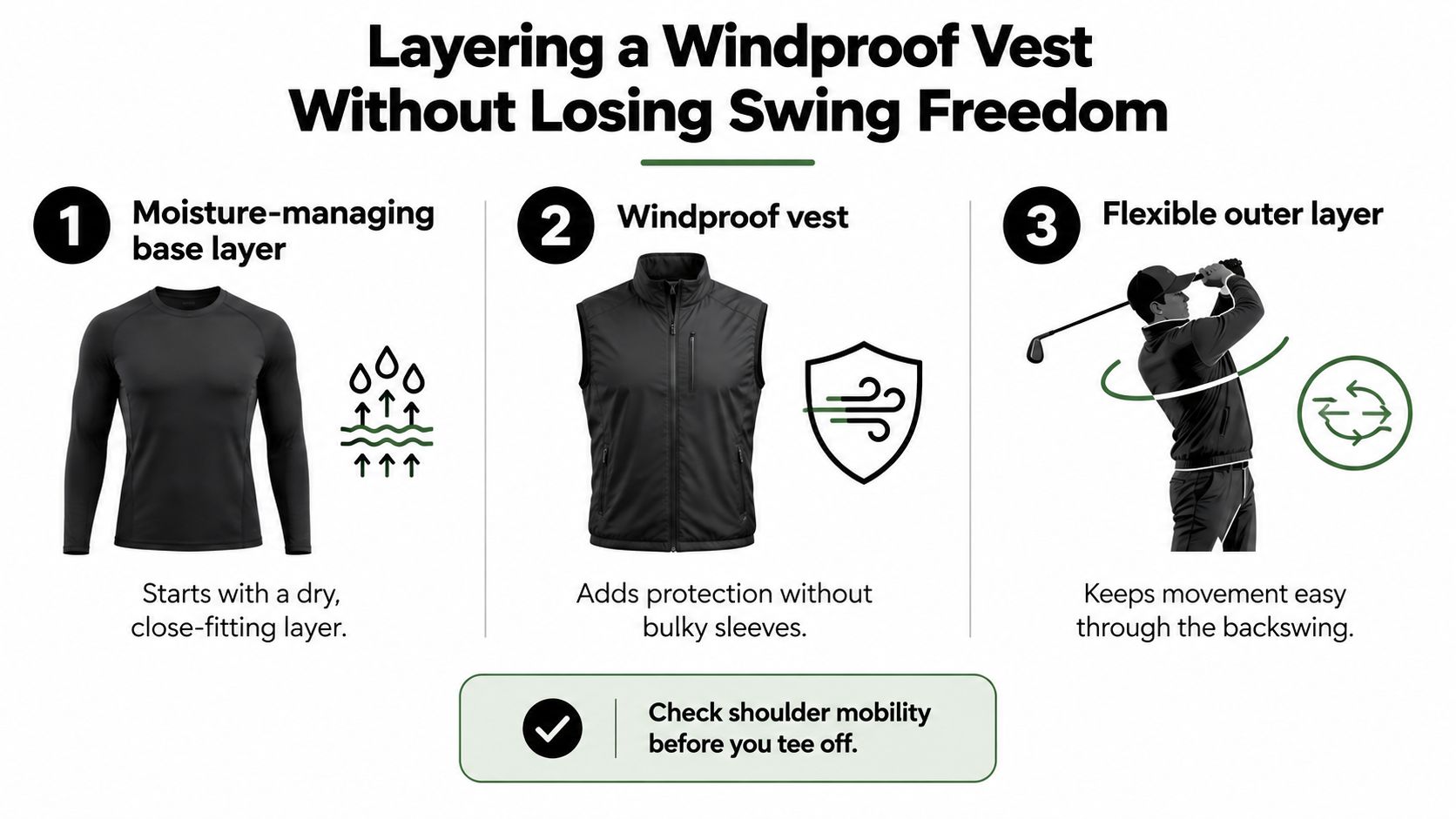
Start with an uncomplicated base
Choose a shirt that sits smoothly beneath the vest without bunching at the waist or crowding the armholes. If the shirt is described as stretch, moisture-wicking, or quick-drying, check the individual product information rather than assuming every performance fabric has the same features.
Four-way stretch can be a useful feature to investigate, but it shouldn't become a reason to accept a poor fit. You still need to test the complete combination.
Zip the vest as you would on the course. Empty pockets first, then repeat the fit check with anything you normally carry in them.
Run a swing-freedom check
- Set up normally. Take your address position with your arms hanging naturally. Check whether the front folds into an uncomfortable ridge or the collar presses against your neck.
- Make a full, unhurried backswing. Notice pulling across the chest, upper back, and armhole edges. Don't alter your movement to accommodate the garment.
- Rotate through to the finish. Check whether the hem lifts and stays caught above your waistband. Some fabric movement is normal; repeated readjustment is worth investigating.
- Reach down toward a tee. Watch for a gaping neckline, excessive pressure at the zipper, or a hem that shifts sharply.
- Bend to collect a ball. Confirm that the outfit remains comfortable and covered, then stand up without rearranging every layer.
A vest has armholes rather than sleeves, so pay attention to how those openings sit around your shirt's sleeves. Look for comfortable clearance without an unnecessarily large gap.
If you feel resistance, compare another size or cut. Slightly more room in the right place is preferable to relying on stretch to overcome constant tension. Equally, don't size up automatically if the problem is a poorly placed armhole.
Finish by trying your packed outer layer over the combination. You want to discover crowding in the fitting room, not when rain arrives.
Matching Your Vest to Wind, Mist and Rain
A forecast can describe several different clothing problems at once. Dry gusts call for a different decision from persistent rain, even if both days feel unpleasant.
Wind deserves its own assessment. A golf-weather review discussing Masters scoring analysis reports that wind speed was a significant predictor in every round studied from 1980–2019, while precipitation and ground dampness weren't consistently significant. That finding doesn't tell you which vest to buy, but it supports treating wind as more than a footnote to rain.
Choosing a Layer by Weather Condition
| Conditions | Windproof vest alone | Vest plus rain jacket | Key check |
|---|---|---|---|
| Dry and windy | A sensible starting option if your other layers provide enough warmth | Optional, depending on personal comfort and exposure | Can you stay comfortable without adding unnecessary enclosure? |
| Light mist | Consider only with documented water-repellent performance and acceptable exposed-arm comfort | Keep available if the mist persists or becomes rain | What water protection does the product actually claim? |
| Steady rain | Not an adequate whole-upper-body rain solution | Use a suitably documented rain jacket; retain the vest only if comfortable | Check rain protection, seams, coverage, and room for layers |
| Severe weather | Not a safety solution | Not a reason to continue playing | Follow course instructions and seek appropriate shelter |
The key distinction is between interrupting airflow and resisting water entry. Neither claim proves the other. A water-repellent finish also shouldn't be treated as an unlimited promise of waterproof protection.
Pack for a change, not every possibility
For a dry, breezy round, begin with the vest and your chosen base layer. Keep the arrangement simple enough that you can adjust it without rebuilding your entire outfit beside the fairway.
For mist, read the garment description carefully. Ask whether the finish is intended for light moisture, and consider your uncovered sleeves. A protected torso doesn't keep the rest of your upper body dry.
For sustained rain, select rainwear on its own documented merits. A guide to choosing a golf jacket can help you consider coverage and movement, but the individual product specification should determine whether it suits wet conditions.
Weather check: Don't turn a light-moisture description into a steady-rain promise.
If adding a rain jacket makes the outfit too warm or crowded, reassess whether the vest needs to remain underneath. Layering is adjustable, not an obligation to keep every garment on.
Choosing a Windproof Golf Vest That Fits Your Game
Start your shortlist with your most common round. Do you walk an exposed course, ride between shots, or play early before conditions settle? Use that answer to decide which compromises you're willing to make.
Don't rank candidates by appearance alone. A clean silhouette can still feel awkward at address, while an attractive stretch panel may sit somewhere you'd prefer more coverage.
Inspect the garment as a golfer
Use this checklist while the vest is zipped and you're wearing your intended underlayer:
- Performance evidence: Ask the seller to identify the scope of any test result rather than repeating the windproof label.
- Collar comfort: Turn your head and settle into address. Check for rubbing or pressure beneath your chin.
- Hem adjustment: Confirm that you can secure it comfortably without pulling the whole garment out of shape.
- Armhole finish: Run a hand around the edge and check for roughness, tight binding, or an awkward gap.
- Zipper operation: Open and close it while wearing the vest. Look at the backing and how it lies against your chest.
- Pocket position: Put your usual small items inside, then take your stance and rotate.
- Overall drape: Check front, side, and back views, especially after moving rather than only before.
Keep the distinction between a fabric description and a performance explanation in mind. Material names help identify what you're buying, but they shouldn't replace the evaluation established earlier.
Compare a vest with a sleeved option
Sometimes a jacket is the more appropriate answer, particularly if you prefer covered arms. Compare the alternatives instead of trying to make a vest solve every clothing problem.
The Men's Clubhouse Golf Jacket (Black) from Tattoo Golf is one sleeved option. Its documented features include a wind-resistant, water-repellent shell, four-way stretch, a moisture-wicking interior, a full-length zipper with wind flap, and an adjustable hem.
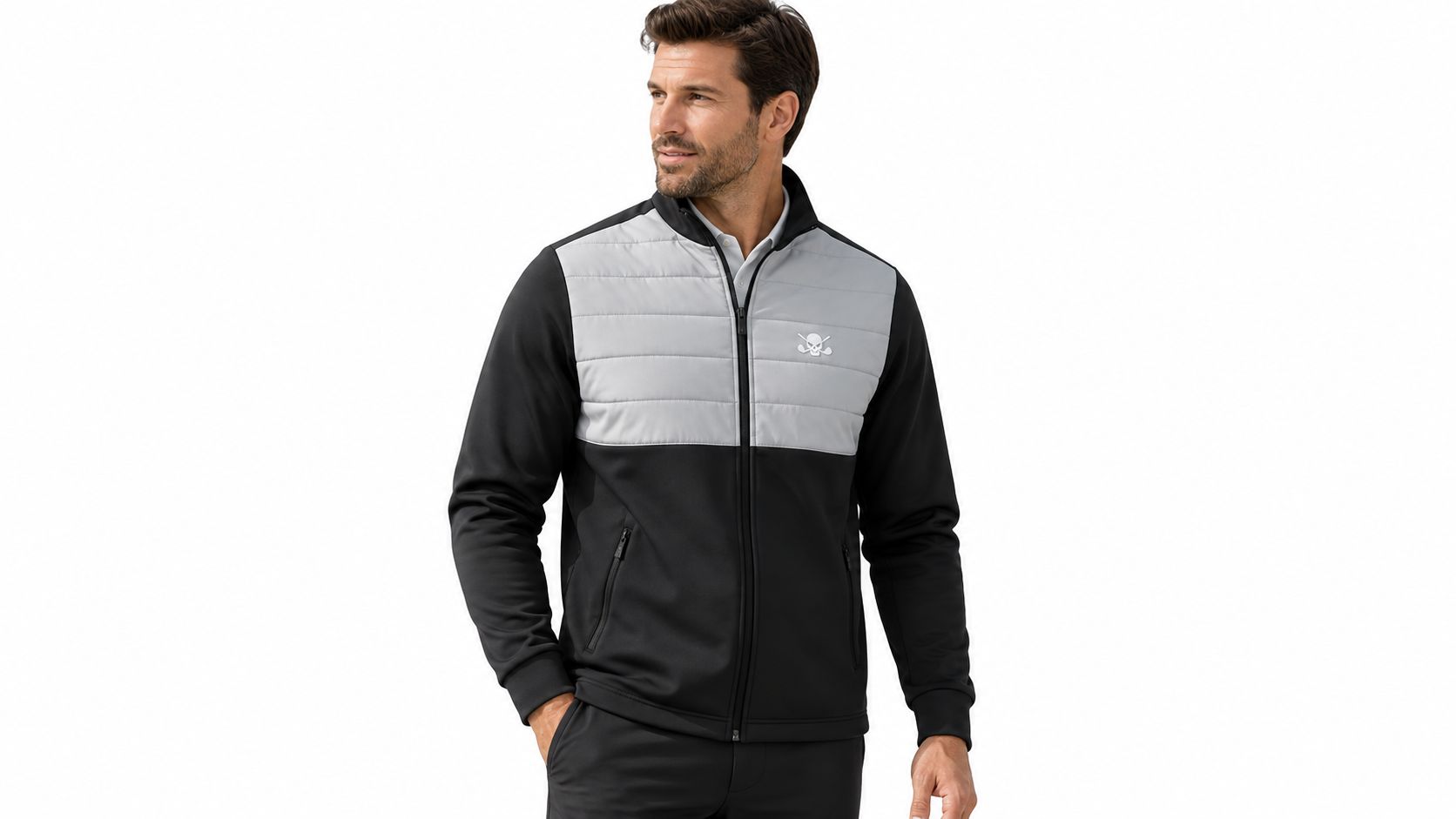
That description establishes the listed jacket features. It doesn't establish a standardized air-permeability result for a vest, and water-repellent shouldn't be read as proof of sustained-rain protection.
Once function and fit are settled, choose the look you'll enjoy wearing. A restrained outer layer can sit over a bold polo, or you can coordinate colors with the rest of your kit. Personal style belongs in the decision, just after the checks that determine whether you'll stay comfortable.
Caring for Your Vest and Taking the Next Step
Make the care label part of your purchase decision. Before washing a vest, check the instructions for that specific garment rather than borrowing directions from another piece of golf clothing.
The earlier jacket listing, for example, specifies cold machine washing with like colors and zippers closed, low tumble drying, no bleach, and avoiding direct heat on embroidery. Those directions are an example of useful care detail, not a universal recipe for every windproof vest.
Inspect fit as well as fabric
After cleaning and drying, put the vest on over your usual shirt. Look at the same areas you checked before buying it.
- Collar and armholes: Notice stretched edges or a change in how they sit.
- Seams and closures: Check for damage, loose stitching, or a zipper that no longer closes properly.
- Hem adjustment: Confirm that the fastening still works and holds comfortably.
- Overall shape: Repeat your address position and turn before returning the vest to your bag.
If something has changed, ask the manufacturer about appropriate care or repair. Don't assume that extra washing, added heat, or an aftermarket treatment will restore the original performance.
The next useful step is to review your current kit before ordering anything. Identify the missing job, compare the size chart with your intended layers, and shortlist garments with clear descriptions. You may need a vest, a different base layer, or a jacket rather than more clothing across the board.
Buy for the conditions you play, then verify the fit through movement. That approach keeps the decision practical and gives every item in your bag a clear purpose.
Tattoo Golf offers performance golf clothing and outerwear with distinctive skull-and-clubs styling, giving you options for building a wind-ready outfit without abandoning your usual look. Visit Tattoo Golf, review the outerwear descriptions and detailed size chart, and choose layers you can test together before your next exposed tee time.


Share:
Golf Belt with Ball Marker: Features, Fit, and Rules