
You're standing beside the first tee in two polos that looked perfect online. In person, one hangs past the hips, the other pulls across the shoulders, and both of you are already adjusting collars before the opening drive. The photo may still work, but the back nine won't.
That's the problem with matching couples golf shirts treated as gift items or photo props. A coordinated golf outfit has to handle rotation, sweat, sun, changing temperatures, dress codes, and two different bodies. The winning approach isn't forcing identical shirts onto both golfers. It's matching the performance standard, color story, and design language while letting each player wear the cut that supports a real swing.
Why Most Matching Couples Golf Shirts Disappoint on Course
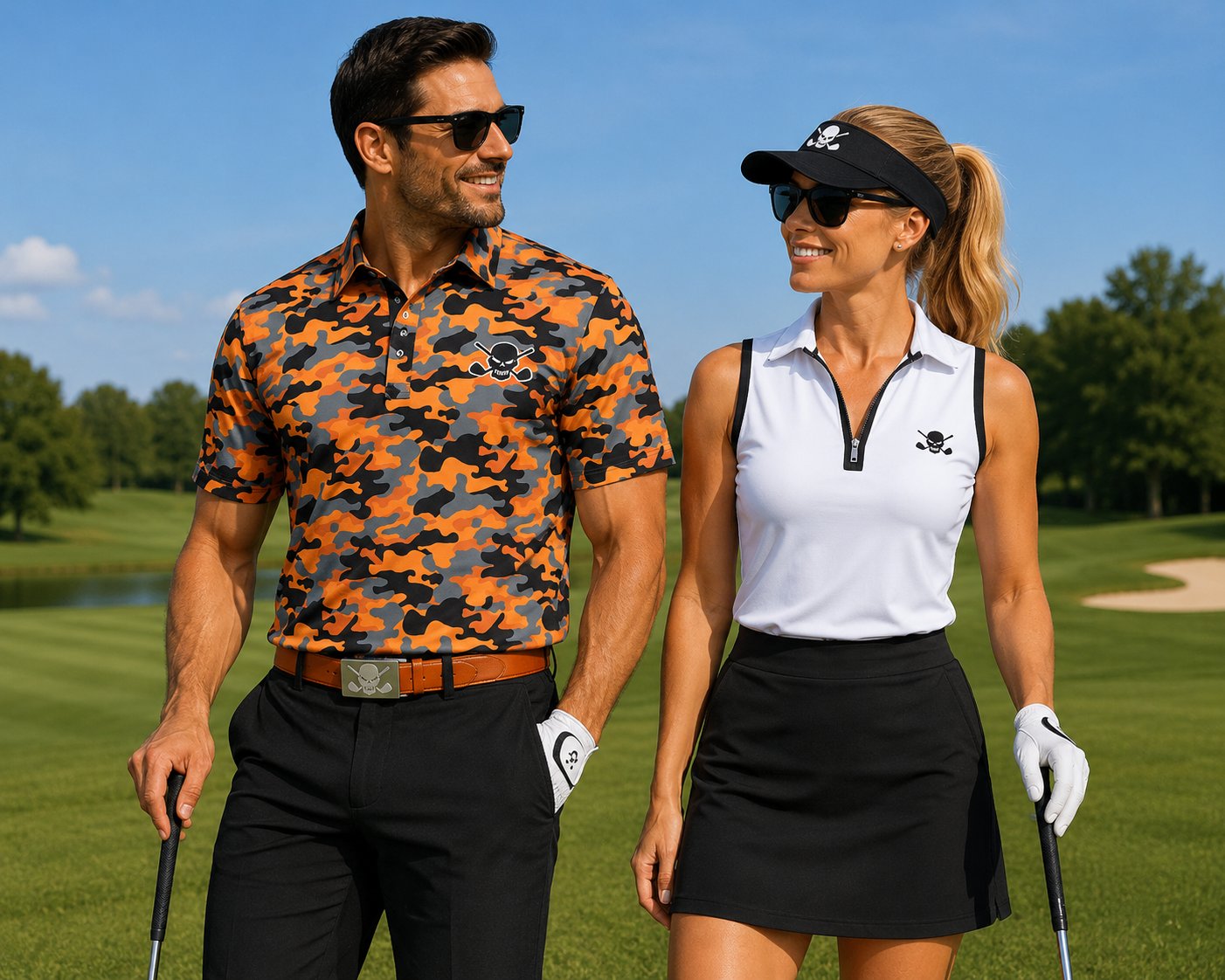
The usual failure starts in the fitting room, not on the first tee. A couple orders identical polos because the product photo makes the set look polished. The men's shirt arrives long and boxy on the shorter torso, while the women's version looks sleek until the wearer reaches the top of the backswing and feels the fabric pull across the shoulders.
Then comes the fabric problem. Cotton-heavy shirts can feel comfortable in the parking lot, but they absorb moisture, lose structure, and start clinging as the round progresses. By the turn, one partner is tugging at the hem while the other is trying to keep a soft collar from folding under a layer.
Course test: If either player has to think about the shirt during a swing, the pair failed before the scorecard did.
The three fit failures that show up fastest
- The oversized men's cut: A straight, generous torso can overwhelm a shorter frame, especially when the hem extends too far below the hip.
- The bust-only women's size: Choosing by bust measurement alone can leave too little room across the upper back and shoulders, restricting rotation.
- The casual cotton compromise: A fabric that holds moisture and loses shape makes both shirts look less coordinated as the round continues.
This isn't a style problem. It's a construction problem. The pair needs different proportions, shared visual cues, and fabric designed for movement.
The right set still looks connected in the 19th-hole photo, but neither golfer has to sacrifice shoulder mobility or comfort to create that effect. Buy the shirts as performance gear first, then make the visual connection through color, print scale, trim, and silhouette.
The Fabric and Performance Features That Actually Matter
Start with the knit, not the graphic. For a shared round, polyester-rich performance fabric with stretch is usually a more practical choice than cotton because it can move moisture away from the skin and dry faster. Golf apparel guidance also stresses that a quick-dry claim should be supported by the actual construction and testing.
A polyester-spandex or poly-elastane jersey gives you three useful properties:
- Moisture movement: Sweat spreads across the fabric surface instead of sitting heavily against the skin.
- Recovery: Stretch fibers help the shirt return to shape after a full shoulder turn.
- Visual consistency: A fabric that resists bagging keeps both polos looking intentional later in the round.
Cotton still has a place in travel and casual wear, but it's a weak default for a hot or humid round. Polyester-rich performance knits generally hold less water and dry faster than cotton, which helps reduce cling and the chilled feeling that can follow sweat or a breeze.
Look beyond the fiber label
Check the construction details before you compare graphics. A good pair should have enough room through the upper back, a collar that sits flat, and a placket that doesn't twist when both golfers move.
- Stretch: Look for useful elasticity through the body and shoulder area, not just a soft feel while standing still.
- Moisture management: Prefer a stated quick-dry or moisture-management finish supported by product details.
- Sun coverage: A clearly stated UPF rating can be valuable on exposed summer rounds. Don't assume every golf shirt offers it.
- Collar stability: An anti-curl collar keeps the two shirts looking neater, especially when one player has a fitted cut and the other has a roomier silhouette.
- Label comfort: Tag-free or low-profile labels prevent irritating folds beneath the collar.
- Weight: Lightweight doesn't mean flimsy. The fabric should feel breathable without feeling transparent or stiff.
For teams creating a custom visual direction, reviewing company polo shirt designs can help clarify how graphics, placement, and garment construction need to work together. For more detail on what separates a course-ready polo from a casual shirt, use this guide to what makes a good performance golf shirt.
The plain-English rule is simple: if a shirt feels heavy or stiff out of the package, it'll feel heavier by hole nine. Put the garment through a full practice swing, raise both arms, and twist at the waist before you decide it belongs in the pair.
Sizing Two Bodies as One Coordinated Outfit
Stop buying by the letter on the tag. A shared outfit should be sized by garment measurements, because men's and women's cuts vary in chest width, shoulder construction, sleeve shape, and body length. The same nominal size can produce two completely different silhouettes.
Measure both shirts flat when possible, then compare the results with the brand's chart. Prioritize the measurements that affect movement and visual balance, especially the shoulders and torso length.
| Measurement | Why It Matters | How to Measure |
|---|---|---|
| Chest or bust width | Shows whether the shirt will pull, cling, or hang too loosely | Measure around the fullest part of the chest or bust, keeping the tape level |
| Shoulder width | Controls shoulder-seam placement and upper-back mobility | Measure from one shoulder seam to the other, or across the body from shoulder point to shoulder point |
| Torso length | Determines where the hem lands and whether the pair looks balanced in photos | Measure from the highest shoulder point down to the desired hem |
| Sleeve length and cap area | Affects arm lift and comfort at the top of the swing | Compare sleeve measurements and inspect how the sleeve joins the shoulder |
| Hem width | Helps distinguish a fitted athletic cut from a straight, loose shape | Measure across the bottom hem and double the result for the garment circumference |
Why the wrong shortcut fails
A women's polo selected only by bust number may fit at the front but pull across the shoulders and rise at the hem during a drive. A men's polo selected only by chest measurement can leave a shorter torso looking swallowed by excess length.
That's why shoulder placement and torso length outrank the size letter. A slightly different label is irrelevant if the garment sits correctly and allows both partners to rotate freely.
Try this mirror check before leaving home:
- Raise both arms as if addressing the ball.
- Make a slow backswing and follow-through.
- Check that the shoulder seams stay near the shoulder points.
- Look for diagonal tension lines across the chest or upper back.
- Confirm that neither hem hikes sharply when the arms lift.
- Compare the visual weight of both shirts from the front and side.
If you want personality without forcing identical proportions, build the look around a shared design language. Tattoo Golf's guide to performance golf shirts with personality is useful inspiration, but the fitting decision still belongs to each golfer's measurements.
Coordinating Prints and Colors Without Looking Costumed
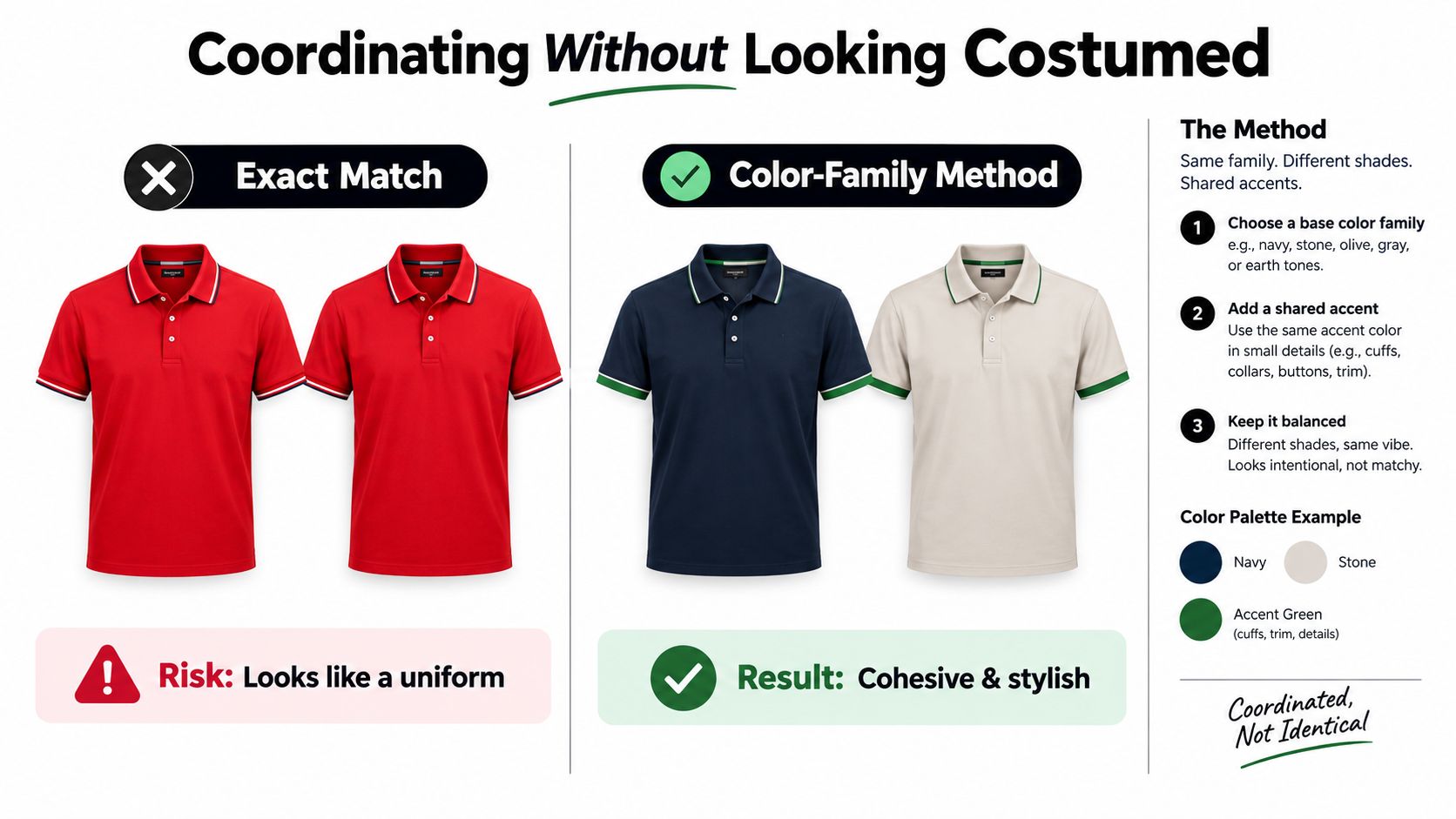
Exact matching is the easiest option, and usually the least interesting. Use a color-family plus vibe method instead. Pick one neutral anchor that appears in both looks, then add one shared accent without requiring the shirts to be identical.
A navy base can connect a solid men's polo with a women's micro-print. Stone can link a geometric shirt to a quiet striped version. Charcoal, white, and muted olive give you room to vary pattern density while keeping the pair visually connected.
Build the pair in two layers
First choose the shared base. Navy, white, stone, and charcoal are reliable because they work with different bottoms and don't force both partners into the same contrast level.
Then choose the accent. It can appear in a collar edge, cuff, button, small motif, or larger print. The accent should be visible enough to establish the relationship, but not so dominant that both shirts compete with each other.
A deep-olive men's polo with a sage-striped women's top works because the colors share a natural relationship while the patterns stay distinct. Two loud tropical prints in the same foursome usually don't. The shirts may match each other, but they'll compete with every other visual element in the group.
Better rule: Match the mood and palette. Let the silhouette and print scale belong to each golfer.
Use the bottoms to control contrast. If one shirt carries a bold graphic, pair both outfits with clean navy, white, black, khaki, or stone shorts, trousers, skirts, or skorts. If the tops are quiet, a coordinated accent in the shoes, belt, visor, or outer layer can bring the pair together without making the shirts do all the work.
For more guidance on choosing and balancing shirt patterns, consult Raccoon Transfers' pattern guide. You can also use this overview of polo shirts to think through how collar shape, fabric, and styling affect the finished look.
Before checkout, apply three rules:
- One shared neutral: Both outfits need a common base color.
- One visible connection: Repeat an accent, trim, motif, or design mood.
- One quiet partner: Keep bottoms and accessories restrained when the shirts are expressive.
Outfit Formulas From Tee Time to the 19th Hole
A couple's wardrobe shouldn't depend on one novelty polo. Build a small set of combinations where the shirts coordinate but each outfit has a job.
Tee-time formula
He wears a solid performance polo in a shared anchor color. She wears a coordinating micro-pattern or contrast polo using that same base. Both pair the shirts with performance bottoms in complementary neutrals.
The men's shirt supplies a clean visual foundation. The women's pattern adds personality without turning the pair into identical uniforms. Shorts, skorts, or trousers should support the shirts rather than introduce a competing print.
Wind-layer formula
Add a lightweight quarter-zip or vest over both polos when the morning starts cool or the course sits in an exposed area. The layer doesn't need to be identical, but it should repeat the anchor color or use a neutral that sits comfortably beside both shirts.
The point is practical continuity. If one partner adds a bright unrelated jacket, the coordinated effect disappears. Choose layers that preserve the palette while allowing different insulation preferences.
19th-hole formula
Swap the polo for a coordinating long-sleeve shirt or henley. Trade golf shorts for straight-leg joggers or ankle pants, then finish with clean leather sneakers. The men's look can stay slightly straighter and more relaxed, while the women's outfit can use a shaped hem or narrower leg.
Each piece should move the outfit toward casual evening wear without pretending the players are still on the tee box. The shared color or motif keeps the connection visible after the technical polos come off.
Event and gifting formula
For a holiday, tournament, or golf-trip gift, choose a seasonal palette and add optional embroidery only if the venue and dress code support it. A small shared detail, such as initials, an event mark, or a restrained chest treatment, usually looks more considered than oversized personalization.
A practical gift can extend beyond shirts. A pair of polos combined with personalized leather cover options gives the couple a coordinated course accessory without forcing every item into the same graphic theme.
The strongest formula gives each partner a distinct role. One shirt can anchor the palette, the other can carry the pattern, and the bottoms can keep the whole set grounded.
Care and Maintenance That Keeps Pairs Looking Like Sets
Matching shirts drift apart when one partner washes them carefully and the other treats performance apparel like an old gym tee. Use the same care routine for both garments so the color, stretch, and finish age at a similar pace.
Wash the pair together when the colors allow it. Use cold water, a gentle cycle, and similar shades. A mild sport detergent without optical brighteners helps avoid unwanted shifts in whites and light colors. Put printed or graphic polos in mesh laundry bags, especially when the graphics could rub against zippers or rougher garments.
Protect stretch and graphics
Skip high heat. Hang-dry when practical, or tumble dry on low. Heat can reduce the recovery of stretch fibers and distort collars, while damp reshaping helps the placket and neckline settle correctly.
Turn printed or embroidered shirts inside out before washing. Don't iron directly over graphics. If pressing is necessary, use a pressing cloth and keep the iron away from the decorated area.
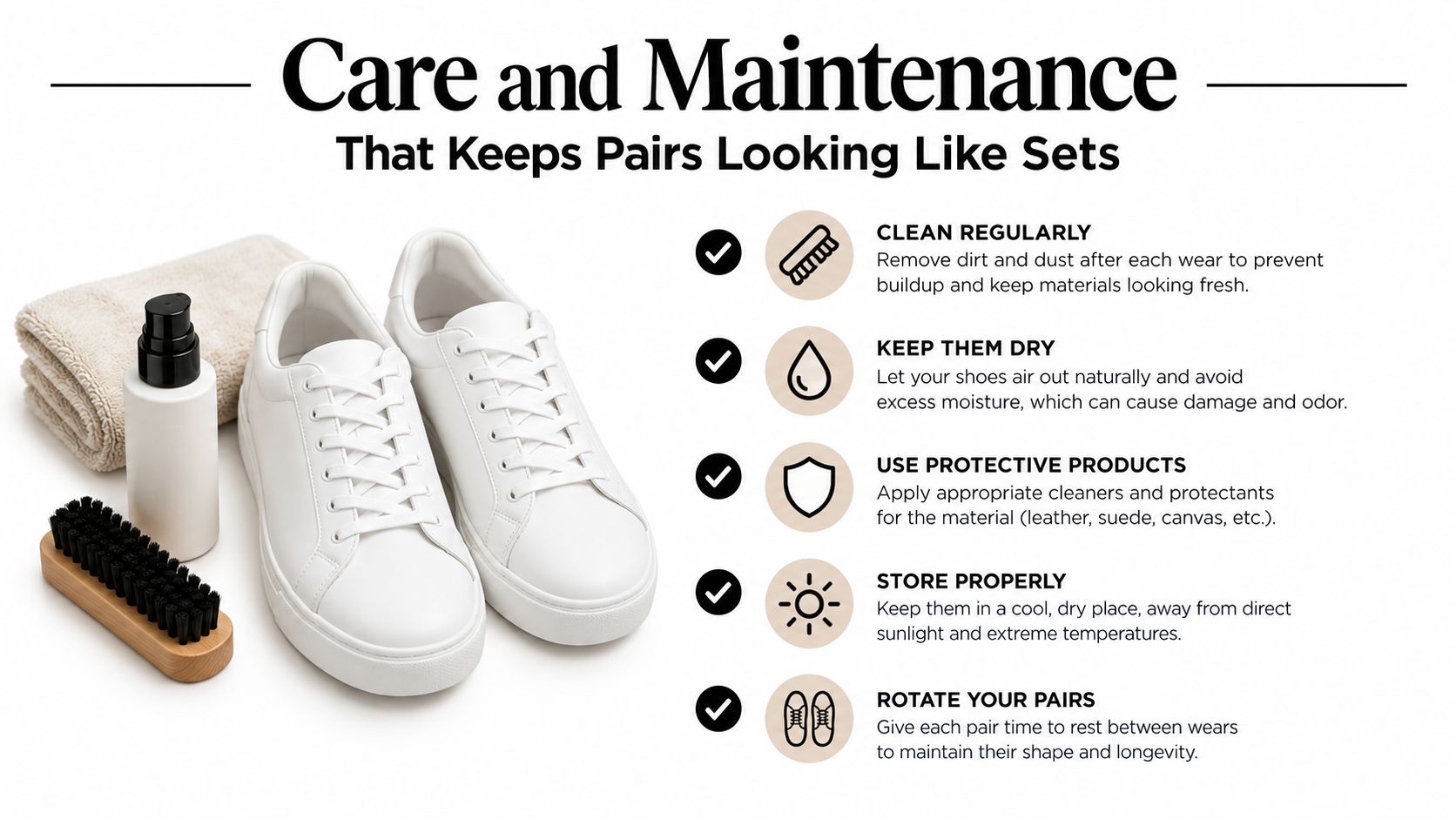
Button the top button before hanging the polos on wide hangers. Store the pair together so both shirts experience similar light exposure and don't develop noticeably different fading.
Retire both shirts when one develops obvious pilling, snagging, or UV fade. Wearing one worn piece beside one crisp piece makes the set look accidental. Keep the older pair for practice rounds, travel days, or yard work, and replace the coordinated set as a unit when the difference becomes visible.
How Curated Collections Make Matching Effortless
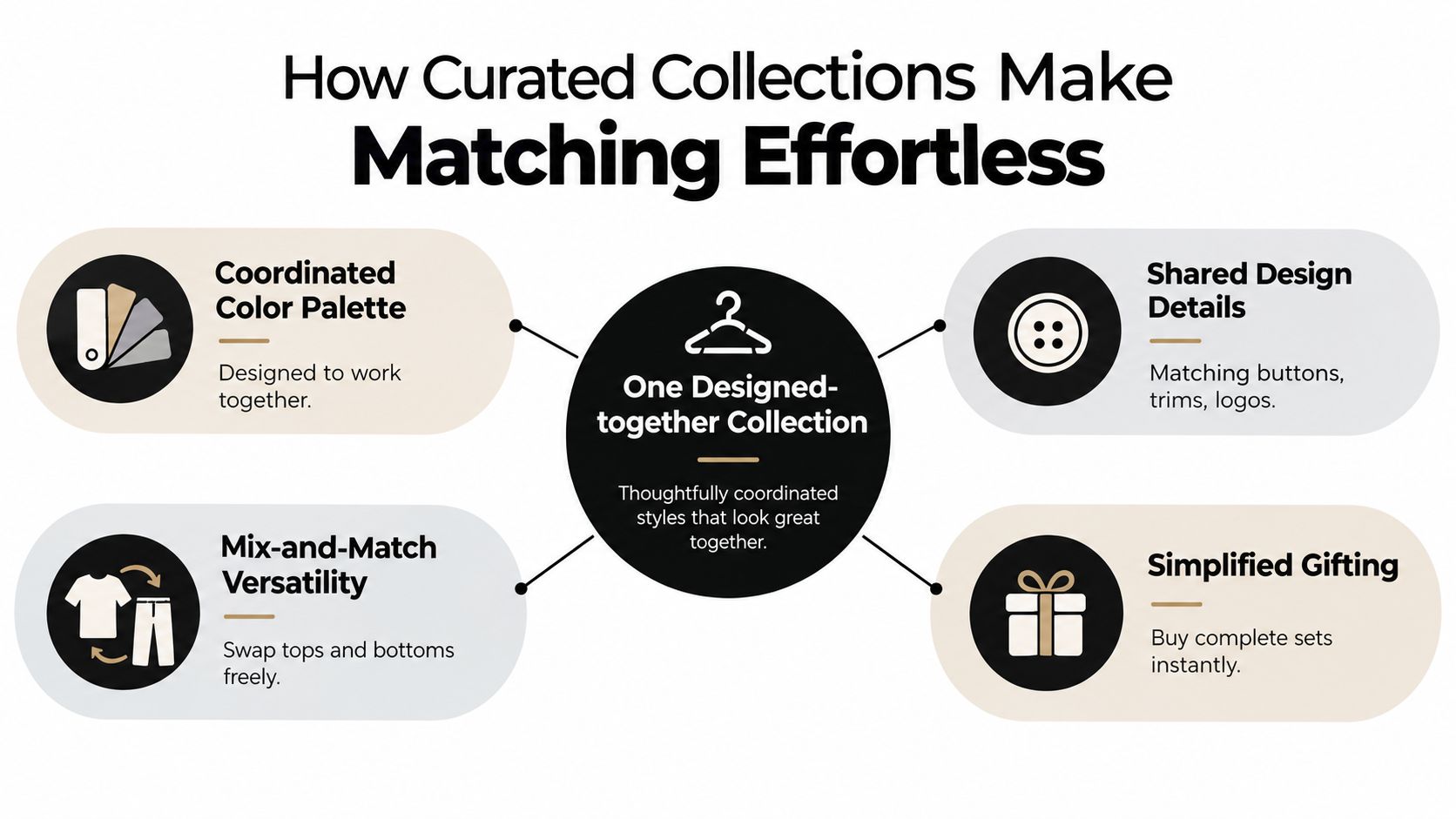
The easiest way to buy matching couples golf shirts is to start with one designed-together collection, not two unrelated wardrobes and a frantic attempt to make them agree. A proper collection should solve the visual connection before you open the size chart.
Look for four things:
- A shared color story: Multiple shades let each partner choose a tone that suits their preference and complexion while remaining connected.
- Consistent fabric feel: Similar weight, stretch, and surface texture keep the two shirts from looking like they came from different categories.
- Controlled print scale: A motif can appear smaller on one cut and larger on another without losing the collection's identity.
- Repeated details: Button color, collar shape, piping, cuffs, or logo placement can make distinct silhouettes read as a pair.
Why one collection beats two random shirts
A men's graphic polo and a women's shirt from a different brand may share a color but still clash in fabric sheen, collar proportion, or print density. That mismatch becomes obvious in photos, especially when one shirt looks crisp and structured while the other collapses around the body.
A designed-together range handles those decisions upstream. The women's version can have genuine women's pattern placement rather than a men's block just reduced in size. The men's version can retain the shoulder and torso room needed for a golf swing while preserving the same graphic language.
Tattoo Golf offers coordinated men's and women's golf apparel, including matching couples' shirts organized around shared themes and graphics. Its dedicated couples' category is a practical example of the collection approach because partners can select different cuts while keeping the visual relationship intact.
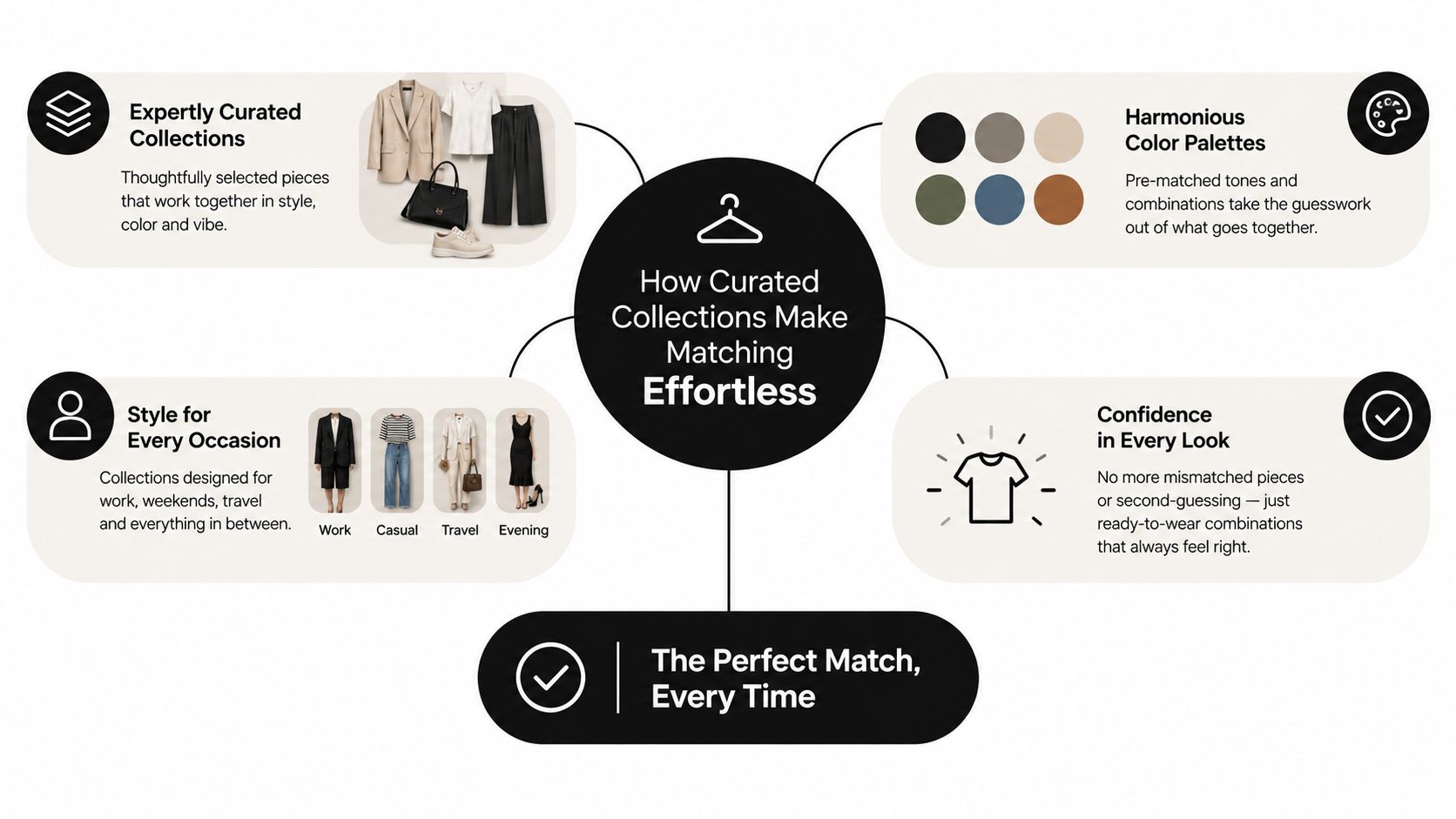
Treat the purchase as one solution instead of two problems. You're not merely finding a shirt for each person. You're choosing a shared fabric standard, palette, print system, and care routine that lets both golfers look connected without sharing the same body shape.
Your Pre-Buy Checklist for Matching Couples Golf Shirts
Run this checklist before spending money. If a pair fails one of the performance checks, don't let a good product photo talk you into it.
- Measure both golfers: Record chest or bust, shoulder width, torso length, and relevant sleeve measurements. Compare those numbers with the actual size charts.
- Prioritize mobility: Check the upper back, shoulder seams, sleeve opening, and hem during a full practice swing.
- Match the fabric standard: The shirts should have comparable weight, stretch, moisture management, and surface finish.
- Choose one color family: Use a shared base and an intentional accent. Don't rely on two random shades that happen to look similar online.
- Scale the prints to the body: A smaller frame may need a smaller motif, while a larger shirt can carry a more generous graphic without looking crowded.
- Confirm the care routine: The pair should tolerate similar washing, drying, and storage methods.
- Check the collection details: Shared buttons, trims, collar treatments, and graphic language create a stronger connection than identical color alone.
- Respect the venue: Confirm collar, sleeve, logo, print, and bottom requirements for the strictest course on the itinerary.
- Test the whole outfit: Put on the shirts with the intended bottoms and layers, then photograph the look from the front, side, and back.
The core principle is straightforward: matching couples golf shirts are performance gear first and a coordinated look second. When both partners can rotate, stay comfortable, and keep the shirts presentable through the round, the matching effect takes care of itself.
Tattoo Golf offers coordinated men's and women's golf polos, themed couples' shirts, and performance apparel built for golfers who want stretch, moisture management, and distinctive graphics. Visit Tattoo Golf to choose a shared collection, compare the available cuts, and build a pair that works from the first tee to the 19th hole.
Share:
Funny Golf Shirts: The Ultimate Gift Guide for Women
Camo Golf Outfits: Finding Your Perfect Golf Size